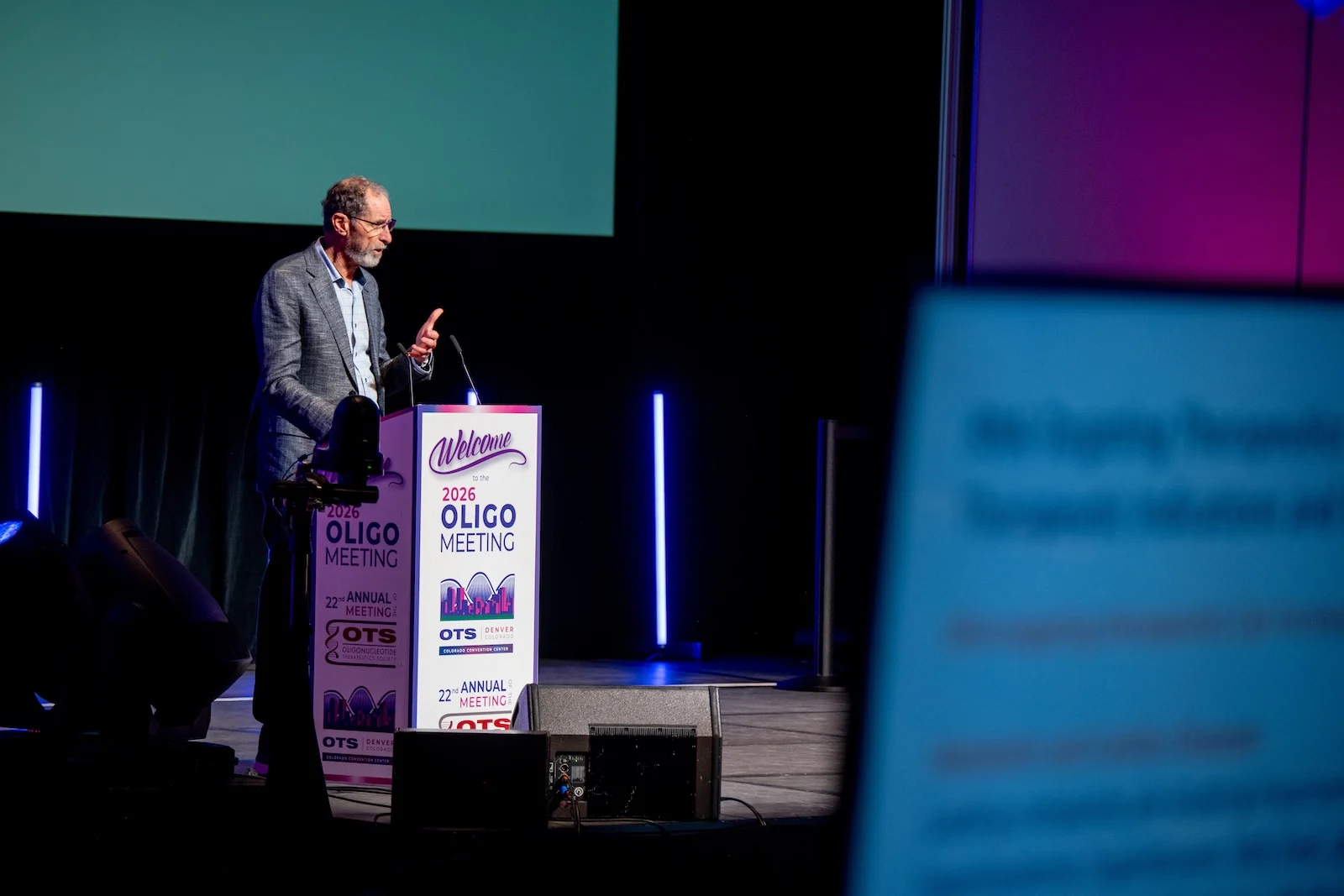
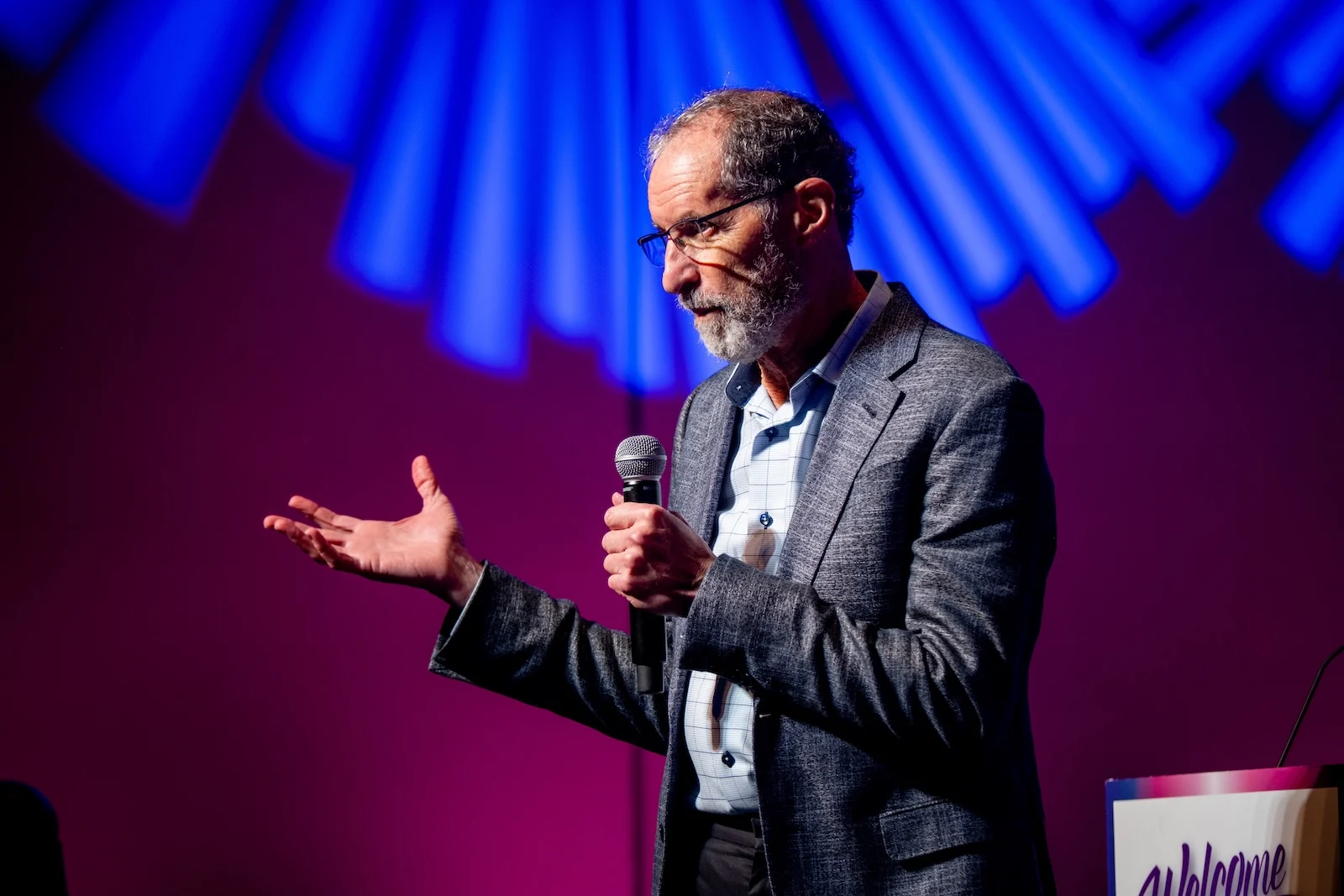
- Distinguished Professor of Biochemistry, Univ. of Colorado Boulder
-
Investigator, Howard Hughes Medical Institute
-
Nobel Prize in Chemistry, 1989
After his Ph.D. in chemistry from the University of California, Berkeley and postdoctoral research at the Massachusetts Institute of Technology, Tom Cech joined the faculty of the University of Colorado Boulder in 1978, where he became a Howard Hughes Medical Institute (HHMI) investigator in 1988 and Distinguished Professor of Chemistry and Biochemistry in 1990.
In 1982 Dr. Cech and his research group announced that an RNA molecule from the pond animal Tetrahymena could catalyze biochemical reactions, the first exception to the long-held belief that only proteins could act as enzymes. This work led to the 1989 Nobel Prize in Chemistry, shared with Sidney Altman of Yale University.
In January 2000, Dr. Cech moved to Maryland as President of HHMI, our country’s largest private biomedical research organization. He returned to research and teaching at CU Boulder in 2009, where he also served as the founding Director of the BioFrontiers Institute until 2020.
His passion for communicating science to the general public led him to write The Catalyst: RNA and the Quest to Unlock Life’s Deepest Secrets (W.W. Norton). The Economist heralded it as one of its Best Books of 2024.
Beyond the Nobel Prize, Dr. Cech’s awards include the Heineken Prize of the Royal Netherlands Academy of Sciences (1988), the Canada Gairdner International Award (1988), the Albert Lasker Basic Medical Research Award (1988), and the National Medal of Science (1995). In 1987 Dr. Cech was elected to the U.S. National Academy of Sciences and also awarded a lifetime professorship by the American Cancer Society. In 2000 he was elected to the National Academy of Medicine.
Outside the laboratory, Dr. Cech enjoys hiking in the mountains, downhill skiing, and cooking.