

Mei’s Story: Investigation Reveals Unreported Fatal Outcome After In Vivo Base Editing of CHD3
In March 2025, a six-year-old girl received the first reported in vivo base-editing treatment directed at the human CNS. The girl, given the pseudonym “Mei” — meaning “beautiful” in Chinese — had Snijders Blok-Campeau syndrome, an extremely rare genetic condition associated with mutations in the CHD3 gene. Her condition ...

Roche Ends Two HD Clinical Trials as Other Huntingtin-Lowering Therapies Advance
On July 9, Roche announced it would discontinue two ongoing clinical studies investigating treatments for Huntington's disease (HD) after separate analyses showed the programs would not achieve their intended goals. While the news is a significant disappointment for the HD community, both studies have provided valuable insights that are ...

Antisense Oligonucleotide Therapy in Chronic Hepatitis B: Clinical Progress and Phase 3 Outcomes
When Sheree was 26, she kept wondering why she was always so tired. Though she was a mom and a nurse working multiple double shifts, she was still young and knew she shouldn’t be this fatigued. Then the nausea and abdominal pain began. Soon, the only things she could tolerate ...

Al3Cas12f RKK: A New, Enhanced Compact Editor that is Highly Efficient
CRISPR-based gene-editing tools have transformed the biomedical field, but delivering these systems directly into human tissues — known as in vivo gene editing — remains a major challenge. Many therapeutic CRISPR approaches still rely on ex vivo editing, where the patient’s cells are removed, edited outside the body, and ...
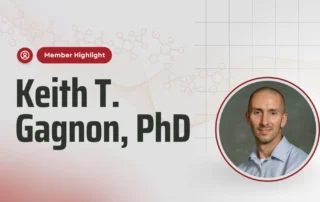
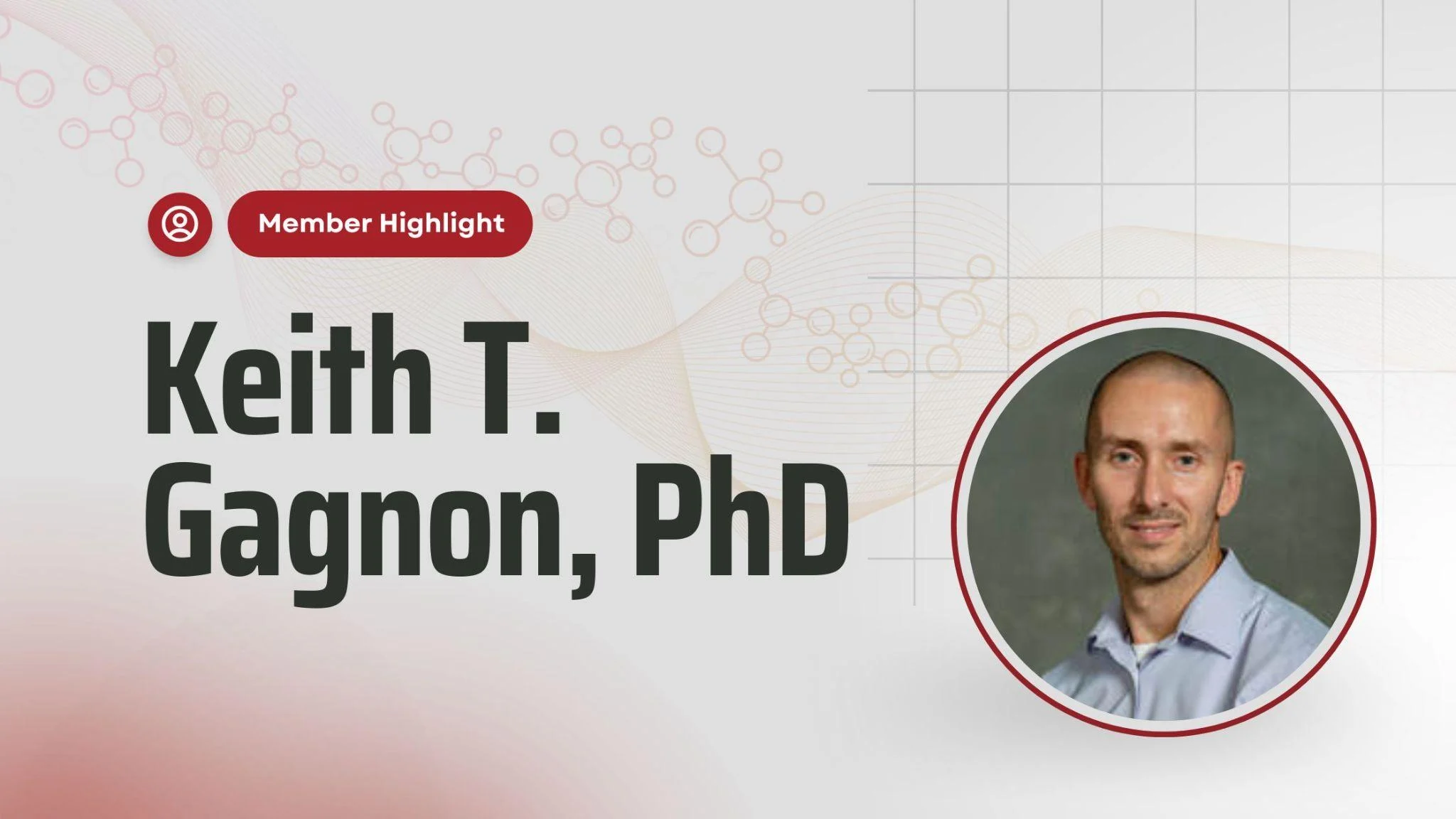
OTS Member Highlight – Keith T. Gagnon, PhD
As a child, before Keith Gagnon knew anything about science, he told his mom he wanted to be a scientist when he grew up. Now, decades later, Dr. Keith Gagnon is a biochemist and molecular biologist specializing in RNA biology, nucleic acid therapeutics, repeat expansion disorders, and CRISPR-Cas systems, ...
Interesting Findings on the Impact of Antisense Oligonucleotides on Genome Stability and DNA-Repair Enzyme Activation
Antisense oligonucleotides (ASOs) have emerged as promising drug candidates for the treatment of genetic diseases. Because of their ability to target virtually any disease-related gene product, several ASO drugs have been approved, and many more are in development (1). While they remain among the most precise therapies, investigations are ongoing ...
Beyond the “Too Rare” Barrier: Platforms for Rare Mutations Leverage New Regulatory Tool
In November, Food and Drug Administration (FDA) officials introduced the Plausible Mechanism Pathway, a regulatory tool designed to make it easier to approve treatments — specifically investigational gene therapies — for rare conditions. An article published in The New England Journal of Medicine (1) discussed the successful treatment of ...

Phase 3 Trials of Intellia’s Nex-z CRISPR Therapy Resume after the Clinical Holds are Lifted
Intellia Therapeutics recently announced that the U.S. Food and Drug Administration (FDA) has lifted the hold on its clinical trial for the investigational CRISPR-based gene-editing therapy, nexiguran ziclumeran, also known as nex-z or NTLA-2001. The four-month hold was implemented after a patient in the MAGNITUDE study experienced severe liver ...
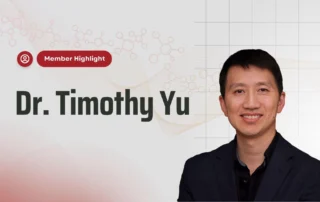
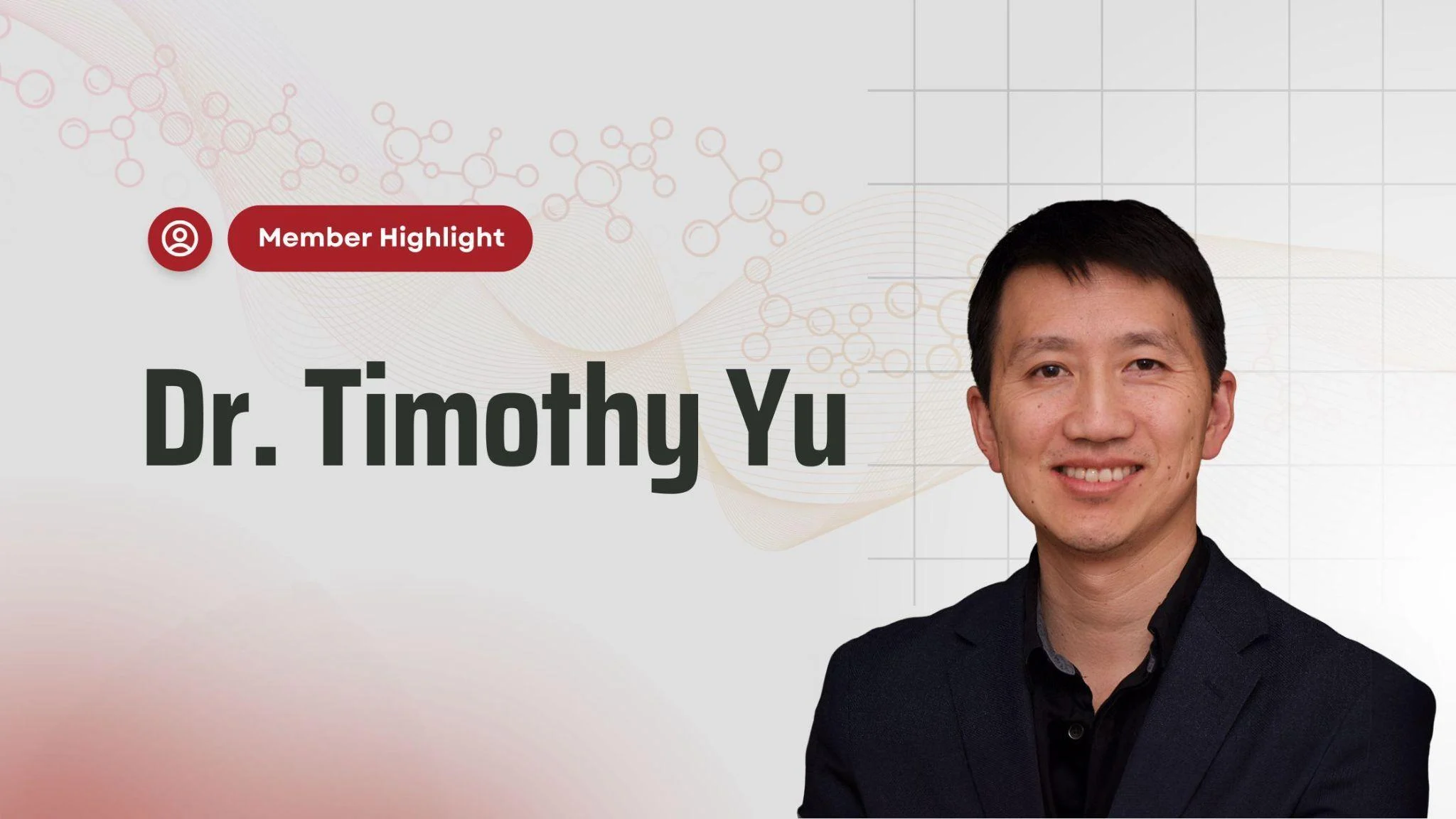
OTS Member Highlight – Dr. Timothy Yu
The sometimes twisty, sometimes intuitive, sometimes amazingly elegant hidden logic of the natural world has always fascinated Dr. Timothy Yu. Knowledge we now take for granted — the genetic code, machinery of transcription, or the layered biological logic of developmental patterning — were once completely mysterious. The ability to ...

FDA’s Plausible Mechanism Pathway for Personalized Therapies to Treat Rare Diseases
The clock was ticking as soon as baby KJ was born in the summer of 2024. Within two days of his birth, he was lethargic and struggled to breathe. His blood test results showed elevated ammonia levels, leading to a diagnosis of carbamoyl-phosphate synthetase 1 (CPS1) deficiency. This ultra-rare ...
Mei’s Story: Investigation Reveals Unreported Fatal Outcome After In Vivo Base Editing of CHD3
In March 2025, a six-year-old girl received the first reported in vivo base-editing treatment directed at the human CNS. The girl, given the pseudonym “Mei” — meaning “beautiful” in ...

Roche Ends Two HD Clinical Trials as Other Huntingtin-Lowering Therapies Advance
On July 9, Roche announced it would discontinue two ongoing clinical studies investigating treatments for Huntington's disease (HD) after separate analyses showed the programs would not achieve their intended ...
Antisense Oligonucleotide Therapy in Chronic Hepatitis B: Clinical Progress and Phase 3 Outcomes
When Sheree was 26, she kept wondering why she was always so tired. Though she was a mom and a nurse working multiple double shifts, she was still young and ...

Al3Cas12f RKK: A New, Enhanced Compact Editor that is Highly Efficient
CRISPR-based gene-editing tools have transformed the biomedical field, but delivering these systems directly into human tissues — known as in vivo gene editing — remains a major challenge. Many ...
OTS Member Highlight – Keith T. Gagnon, PhD
As a child, before Keith Gagnon knew anything about science, he told his mom he wanted to be a scientist when he grew up. Now, decades later, Dr. Keith ...

Interesting Findings on the Impact of Antisense Oligonucleotides on Genome Stability and DNA-Repair Enzyme Activation
Antisense oligonucleotides (ASOs) have emerged as promising drug candidates for the treatment of genetic diseases. Because of their ability to target virtually any disease-related gene product, several ASO drugs have ...

Beyond the “Too Rare” Barrier: Platforms for Rare Mutations Leverage New Regulatory Tool
In November, Food and Drug Administration (FDA) officials introduced the Plausible Mechanism Pathway, a regulatory tool designed to make it easier to approve treatments — specifically investigational gene therapies ...

Phase 3 Trials of Intellia’s Nex-z CRISPR Therapy Resume after the Clinical Holds are Lifted
Intellia Therapeutics recently announced that the U.S. Food and Drug Administration (FDA) has lifted the hold on its clinical trial for the investigational CRISPR-based gene-editing therapy, nexiguran ziclumeran, also ...
OTS Member Highlight – Dr. Timothy Yu
The sometimes twisty, sometimes intuitive, sometimes amazingly elegant hidden logic of the natural world has always fascinated Dr. Timothy Yu. Knowledge we now take for granted — the genetic ...

FDA’s Plausible Mechanism Pathway for Personalized Therapies to Treat Rare Diseases
The clock was ticking as soon as baby KJ was born in the summer of 2024. Within two days of his birth, he was lethargic and struggled to breathe. ...

