

Date: December 4, 2025
Time: 11-12pm EST / 5-6pm CET
Title: Enhancing mRNA Nuclease Resistance via Nucleobase-Mimicking Small Molecule Self-Assembly
Description:
Nucleic acid therapeutics offer high efficacy and specificity but suffer from instability, requiring ultra-low storage temperatures and degrading rapidly in vivo due to nucleases and heat. Our team discovered that adding cyanuric acid (CA), a small molecule with thymine-like faces, to poly(adenine) (polyA) induces the formation of a supramolecular triple helix that assembles into fibers through strong hydrogen bonding. This structure increases mRNA half-life significantly and enhances nuclease resistance. The CA–polyA assembly provides a tunable and readily applicable method to protect mRNA and dissociates under physiological pH, restoring its native function. This strategy offers a cost-effective approach to stabilize nucleic acid therapies and expand their accessibility worldwide.
Speakers:
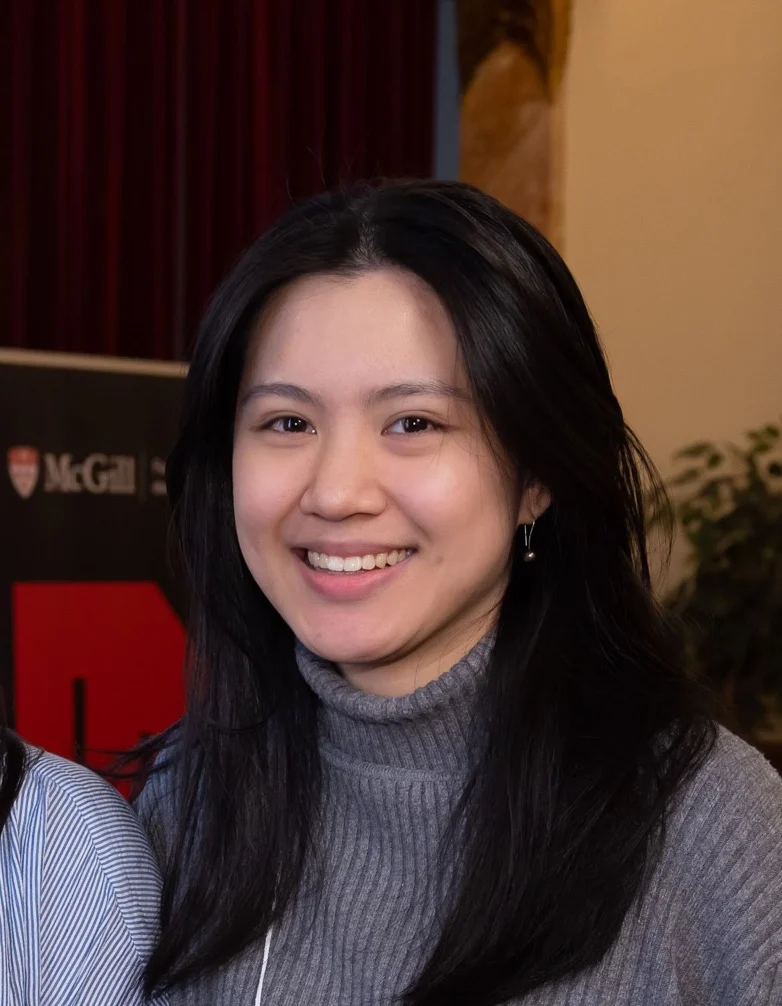
Title: Targeting the Undruggable: Next-Generation Oncogene Silencing
Description:
Targeting oncogenes at the chromosomal DNA level can open new avenues for precision medicine. Oncogenic drivers, such as c-Myc, remain challenging to target with conventional small molecules or biologics due to their intrinsically disordered protein structures. γ-Peptide nucleic acids (γPNAs) offer a way to bypass this challenge by acting at the chromosomal DNA level, invading genomic sequences and repressing transcription. However, the therapeutic utility of γPNAs has been limited by poor nuclear delivery. Conjugation of γPNA to a nuclear localization signal (NLS) enables efficient nuclear uptake and stable DNA invasion, restoring the ability to silence transcription of otherwise “undruggable” oncogenes. Using this γPNA-NLS platform, we achieved potent c-Myc repression, reduced tumor burden, and improved survival in multiple mouse models, establishing a promising modality for targeting other oncogenes such as KRAS and HER2.