
Targeting DNA Mismatch Repair as a Potential Therapeutic Strategy for Huntington’s Disease
Huntington's disease (HD) is a devastating and fatal neurodegenerative disorder affecting movement, thinking, and behavior. In the United States alone, there are approximately 40,000 people with symptomatic Huntington's disease, and more than 200,000 are at risk of inheriting it. The fatal disease often leaves a devastating family legacy, as a child of someone with the HD mutation has a ...

FDA Approval of Vutrisiran Brings New Treatment for ATTR-CM
When Sean Riley started getting numbness in his hands, he saw a local surgeon who performed carpal tunnel surgery on both his wrists. At the time, he didn't think much of his symptoms, knowing carpal tunnel was common, he attributed his symptoms to the typing he occasionally did. Then, the numbness appeared in his left foot and ankle. Riley ...
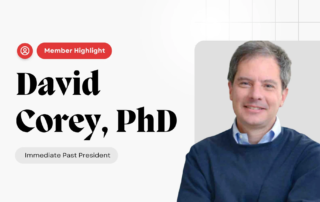
OTS Member Highlight – David Corey, PhD
Former Oligonucleotide Therapeutics Society (OTS) President David Corey grew up being inspired by his father's love of science, noting that his father was not only good at what he did but he also enjoyed it. "I never measured myself against him because I knew I could not expect to be one of history's greatest scientists," Corey explains. "What I ...

NanoCas: A Newly Identified Compact Nuclease May Expand CRISPR’s Reach
The revolutionary CRISPR-Cas system has proven to be a precise method for genome editing, showing great promise in tackling genetic disorders. However, clinical trials for CRISPR-based treatments have faced delivery challenges due to the large size of the editing system. In the quest to overcome these limitations, researchers recently discovered a smaller CRISPR system that demonstrated efficient in vivo ...

OTS Member Highlight – Holly Kordasiewicz, PhD
Holly Kordasiewicz was a curious, chatty child with a penchant for asking questions. At dinner, conversations were often about the fascinating things her mom, a registered nurse, learned at work, sparking Kordasiewicz's interest in medicine and biology. As her grandparents aged, and she witnessed neurodegenerative diseases gradually and relentlessly chip away at those she loved, her desire to study ...
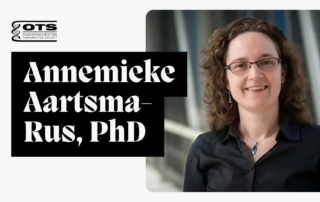
OTS Member Highlight – Dr. Annemieke Aartsma-Rus
Growing up the oldest of four children in Leiden, Netherlands, Dr. Annemieke Aartsma-Rus became fascinated with medical research and genetics as a teenager. While her father's work as a physician made her realize she didn't want to be a doctor, it did teach her that there were numerous diseases with no treatments. In high school, Aartsma-Rus was introduced to ...

Targeting DNA Mismatch Repair as a Potential Therapeutic Strategy for Huntington’s Disease
Huntington's disease (HD) is a devastating and fatal neurodegenerative disorder affecting movement, thinking, and behavior. ...
FDA Approval of Vutrisiran Brings New Treatment for ATTR-CM
When Sean Riley started getting numbness in his hands, he saw a local surgeon who ...
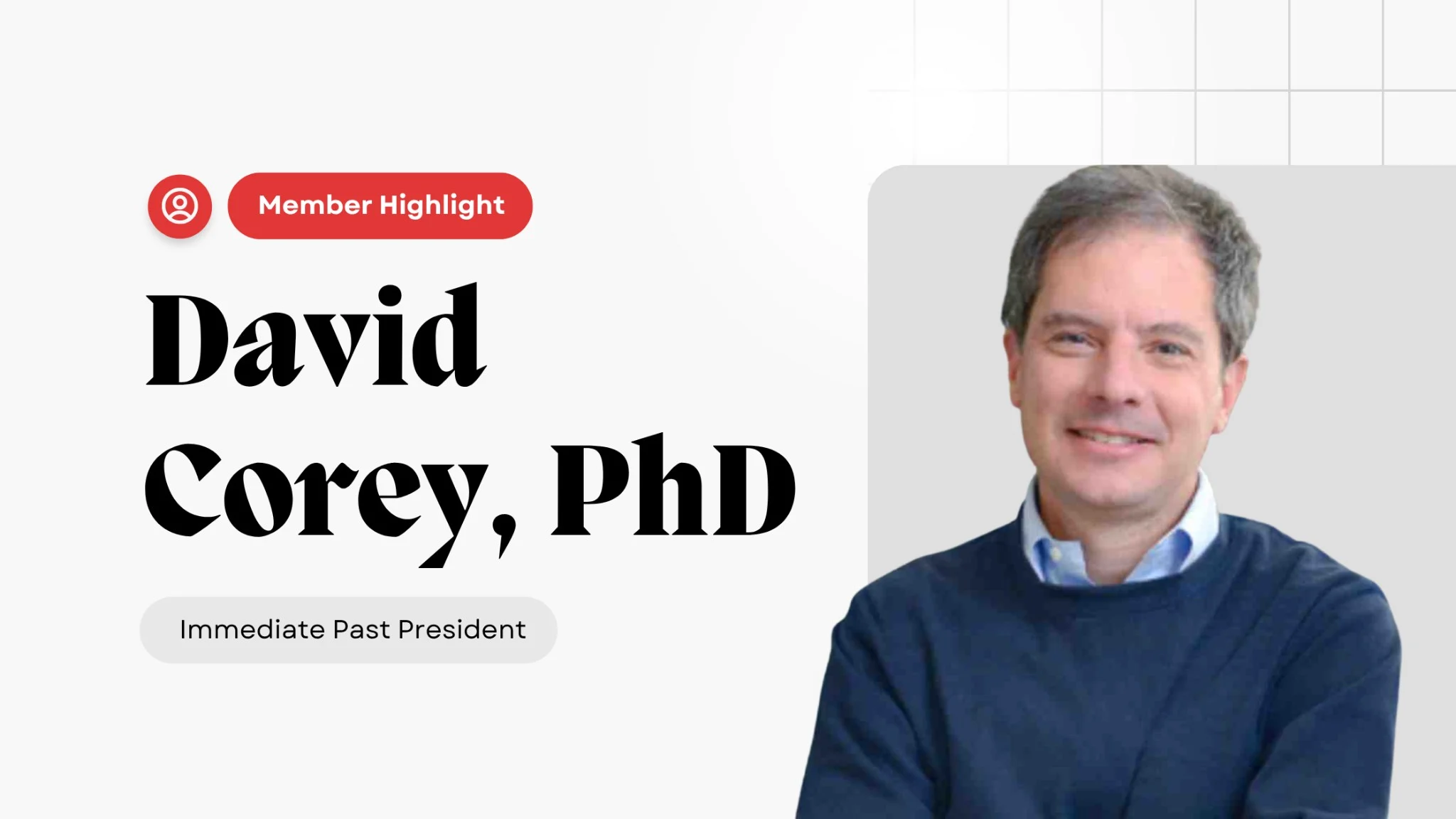
OTS Member Highlight – David Corey, PhD
Former Oligonucleotide Therapeutics Society (OTS) President David Corey grew up being inspired by his father's ...
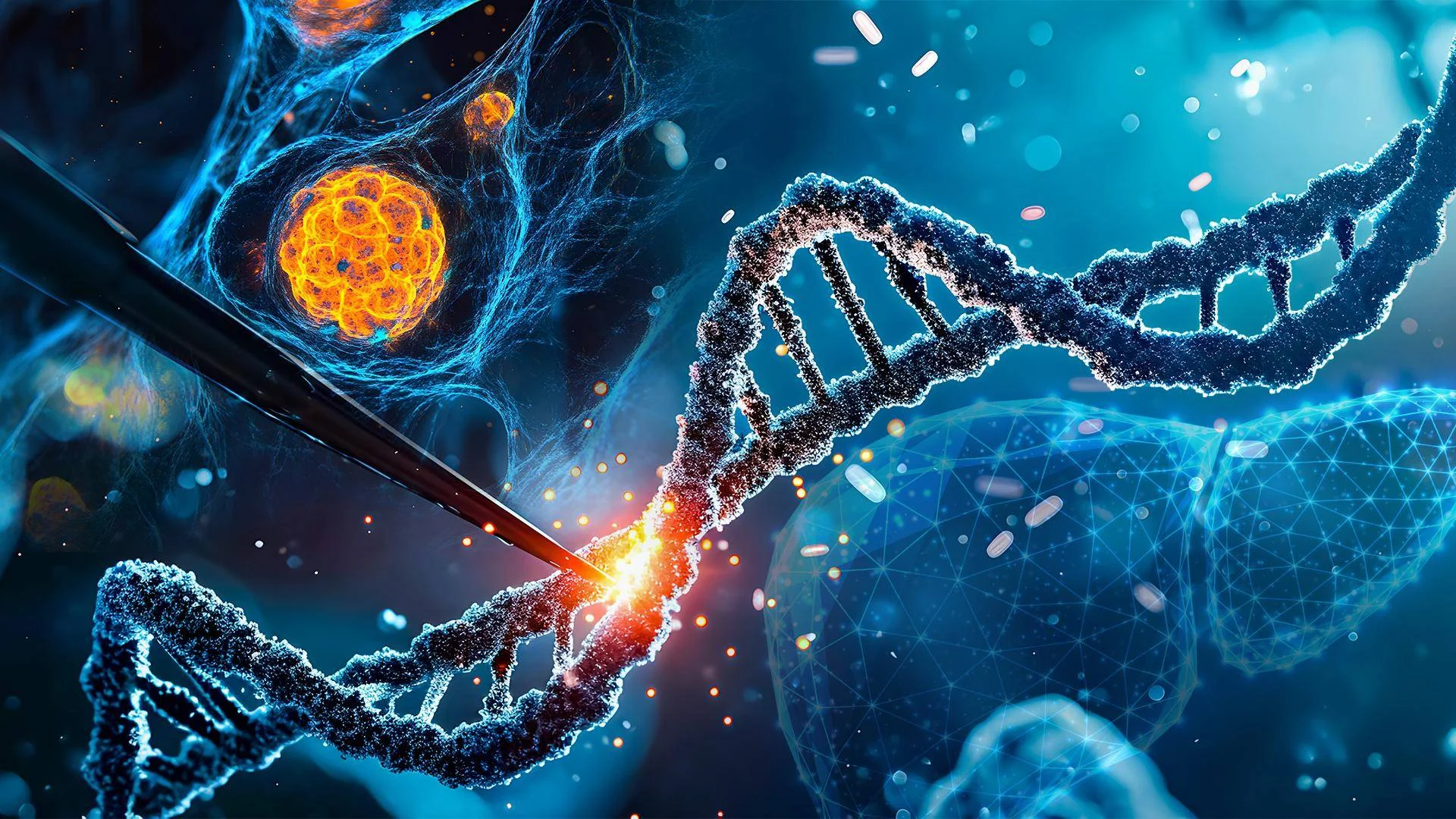
NanoCas: A Newly Identified Compact Nuclease May Expand CRISPR’s Reach
The revolutionary CRISPR-Cas system has proven to be a precise method for genome editing, showing ...
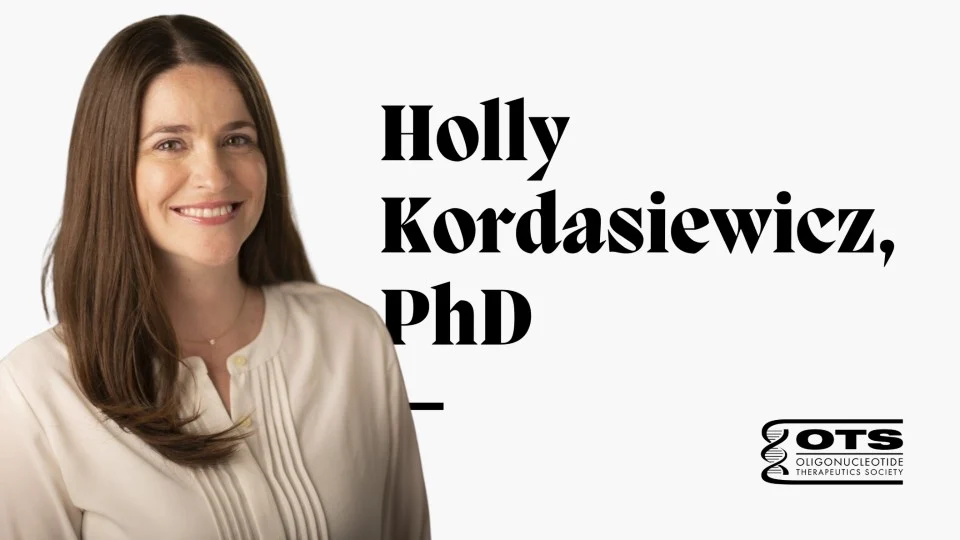
OTS Member Highlight – Holly Kordasiewicz, PhD
Holly Kordasiewicz was a curious, chatty child with a penchant for asking questions. At dinner, ...

OTS Member Highlight – Dr. Annemieke Aartsma-Rus
Growing up the oldest of four children in Leiden, Netherlands, Dr. Annemieke Aartsma-Rus became fascinated ...

