

Can There Be International Agreement on How to Navigate the Future of Genome Editing?
Our world is changing at an astonishingly rapid pace and, as described a few weeks ago, CRISPR is poised to become a major source of change in many fields, from medicine to animals to crops. With any new technology, but especially one that has the power to transform the world to the extent that CRISPR and other gene editing ...

10 Years of CRISPR – Developing a Previously Unimaginable Idea to Benefit the World
CRISPR is now a common term, one that you see even in mainstream media. Yet it is incredible to think that its potential for editing genes was published just ten years ago. In a mere decade, the groundbreaking discovery has been successfully developed to the point that many clinical trials are underway. Although the repeating sequences that make up ...
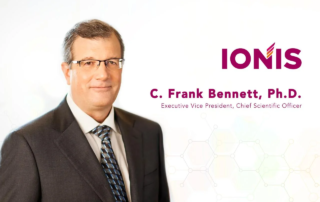
The Journey of C. Frank Bennett: Caring and Curiosity Drive the Development of Antisense Therapies
The chief scientific officer of Ionis Pharmaceuticals, Dr. C. Frank Bennett, is not someone who comes to work just to do science, but to help his patients. Although he started with little knowledge of antisense drugs when he joined the company more than thirty years ago, his patients have remained his greatest source of inspiration in creating life-changing therapies. ...

RSV: Developing Vaccines to Protect the Vulnerable
It’s the middle of winter and, at some point during this season, many people will experience a constellation of symptoms that may include coughing, a sore throat, runny nose, headache, body aches, fevers, and fatigue. Most adults would assume they have a cold or the flu, but now, depending on the exact symptoms experienced, this could also indicate that ...

Inclisiran’s Interesting Path to Treating LDL Cholesterol
When The Medicines Company licensed inclisiran, they envisioned a drug for the masses that would save the healthcare system money and be reasonably priced for patients. Despite the company having little experience in the oligonucleotide therapeutics field, it went all in on the drug, selling off its other products and downsizing its workforce. It was a gamble, but if successful, ...
Alnylam’s 20-Year Journey of Discovery
Twenty years ago, a group of scientists intent on developing a new class of medicine using RNAi technology came together and formed Alnylam Pharmaceuticals, a name symbolizing their passion for discovery. The bright center star of Orion's belt, Alnilam, has long been used as a celestial navigator, guiding explorers in their mission to discover the world. Like many explorers, the ...

Can There Be International Agreement on How to Navigate the Future of Genome Editing?
Our world is changing at an astonishingly rapid pace and, as described a few weeks ...

10 Years of CRISPR – Developing a Previously Unimaginable Idea to Benefit the World
CRISPR is now a common term, one that you see even in mainstream media. Yet ...
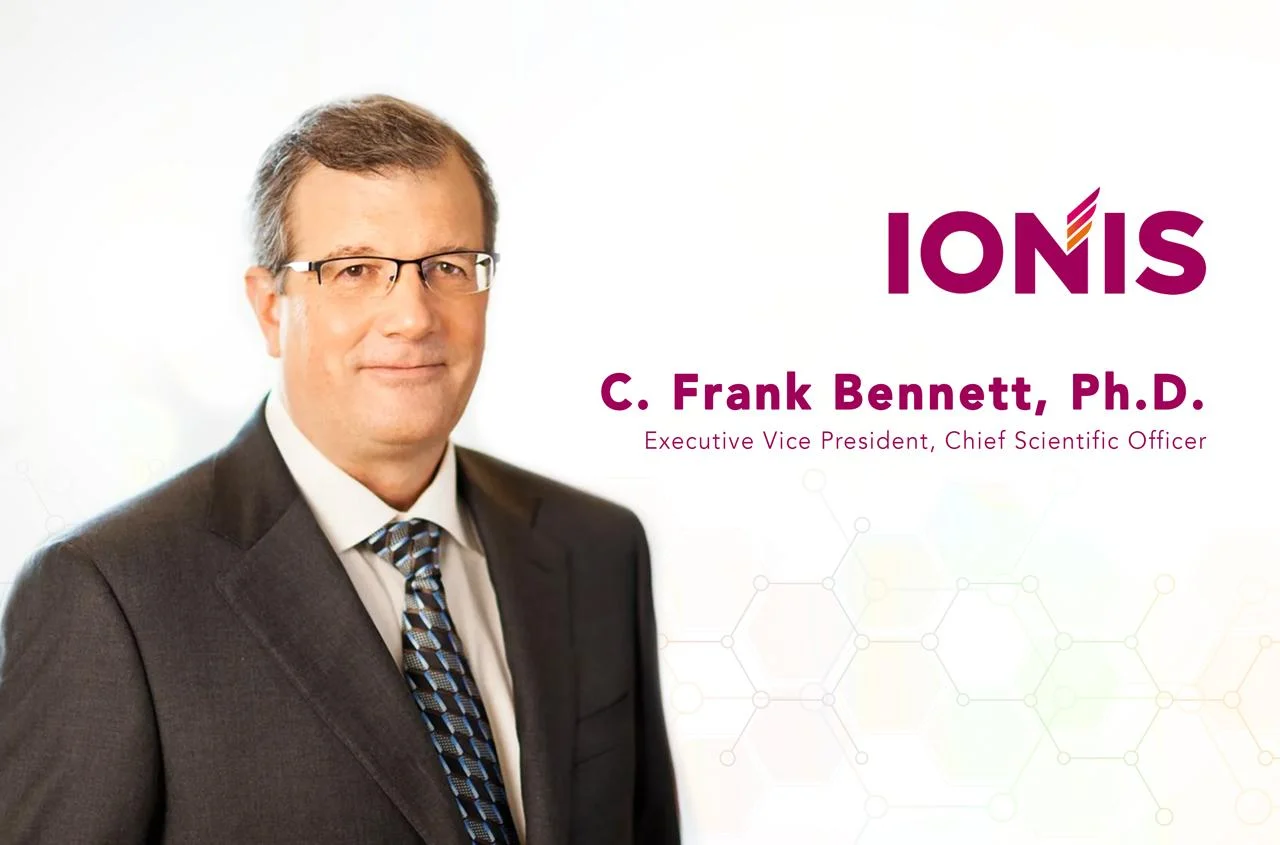
The Journey of C. Frank Bennett: Caring and Curiosity Drive the Development of Antisense Therapies
The chief scientific officer of Ionis Pharmaceuticals, Dr. C. Frank Bennett, is not someone who ...

RSV: Developing Vaccines to Protect the Vulnerable
It’s the middle of winter and, at some point during this season, many people will ...

Inclisiran’s Interesting Path to Treating LDL Cholesterol
When The Medicines Company licensed inclisiran, they envisioned a drug for the masses that would save ...
Alnylam’s 20-Year Journey of Discovery
Twenty years ago, a group of scientists intent on developing a new class of medicine using ...

