

Positive Results from Tofersen VALOR Trial and OLE Integrated Data
People diagnosed with the progressive neurodegenerative disease ALS previously had no hope of an effective treatment that could delay the onset of symptoms or extend their lifespan. However, as a result of recent advances in science and medicine, multiple oligonucleotide therapeutics are being developed to provide treatments, one of which is tofersen. Tofersen is an antisense oligonucleotide (ASO) designed ...

CRISPR Babies and the Scientist Behind Their Editing
At an international genome-editing summit in Hong Kong, MIT Technology Review reporter Antonio Regalado uncovered the existence of the CRISPR baby project. The now infamous scientist, He Jiankui, had used CRISPR-Cas9, a genetic engineering tool, to edit the CCR5 gene of three embryos with the goal of making them resistant to HIV (1). What followed the breaking story was ...

CRISPR Patent Rights and Their Effect on the Industry
A decade ago, Jennifer Doudna of the University of California, Berkley and Emmanuelle Charpentier of the Max Planck Institute for Infection Biology drafted blueprints for a groundbreaking gene editing technique. The two scientists had found a way to cut and make precise changes to DNA — a discovery that won them a Nobel Prize. This was the start of ...

Could Artificial Intelligence Provide the Key to Life Saving Medicines?
Drug discovery is time consuming and expensive, requiring trial and error screening. This means that many people have to wait decades, or a lifetime, to find a treatment for their disease. Others, especially those with rare diseases, may never have hope of a treatment. However, AI and deep learning have been used increasingly in biological research and biomedical applications ...

A Novel Cocktail Drug Penetrates Heart Muscle and May Treat Nearly Half of All Patients with DMD
Duchenne muscular dystrophy (DMD) is a devastating disease that causes the body's muscle tissues to progressively waste away until all mobility is lost. Eventually, the heart muscle becomes fatty and fibrotic, typically leading to heart failure and death by age 30. There is no cure, and the approved drugs each help a small portion of patients and cannot target ...
Could a Single Oligonucleotide Medication Treat Multiple Different Diseases?
Our relatively new field is swiftly growing, and another exciting novel therapeutic RNA modality is now gaining traction. tRNA is vital in protein synthesis and by engineering tRNA molecules...
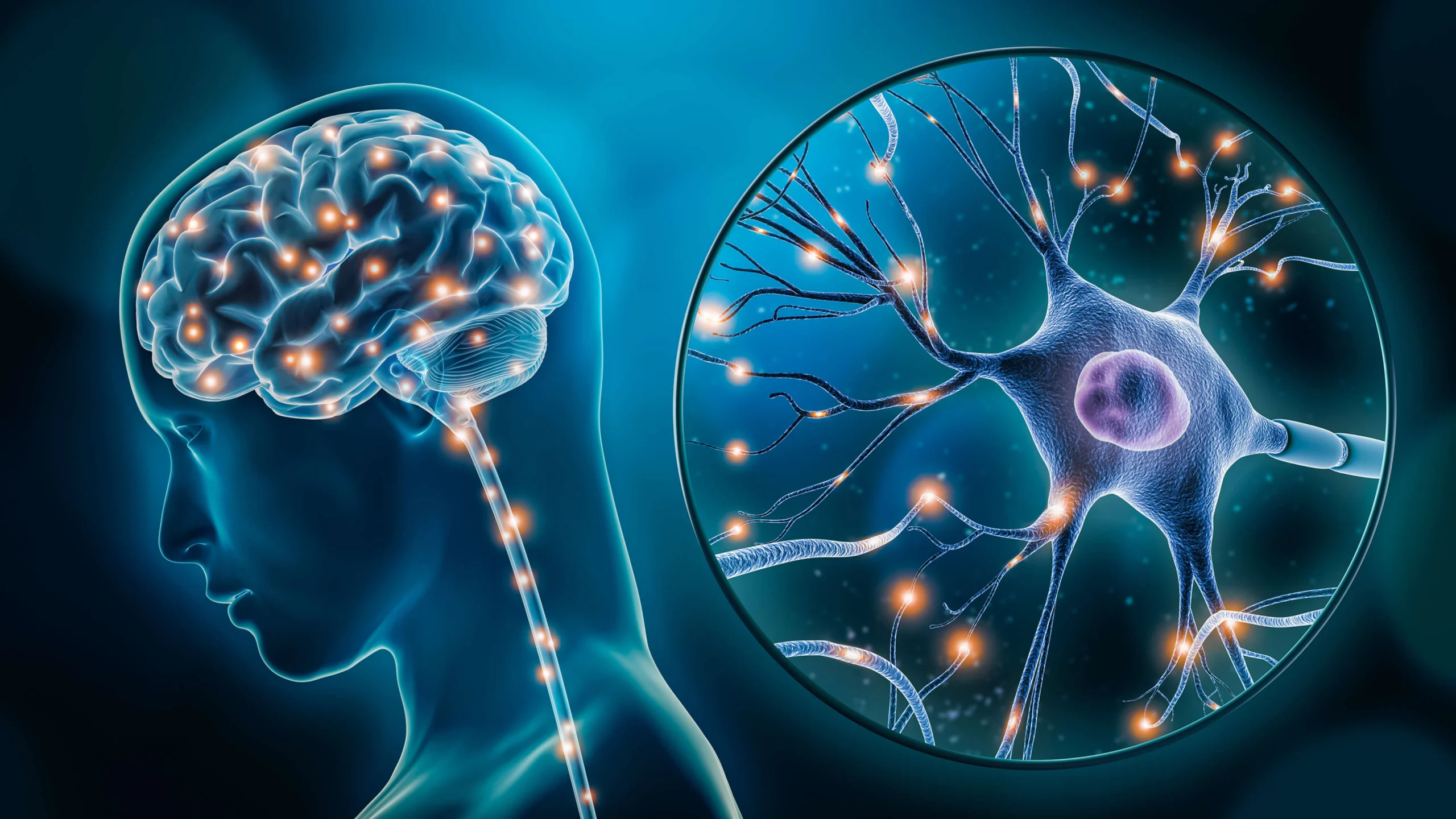
Positive Results from Tofersen VALOR Trial and OLE Integrated Data
People diagnosed with the progressive neurodegenerative disease ALS previously had no hope of an effective ...
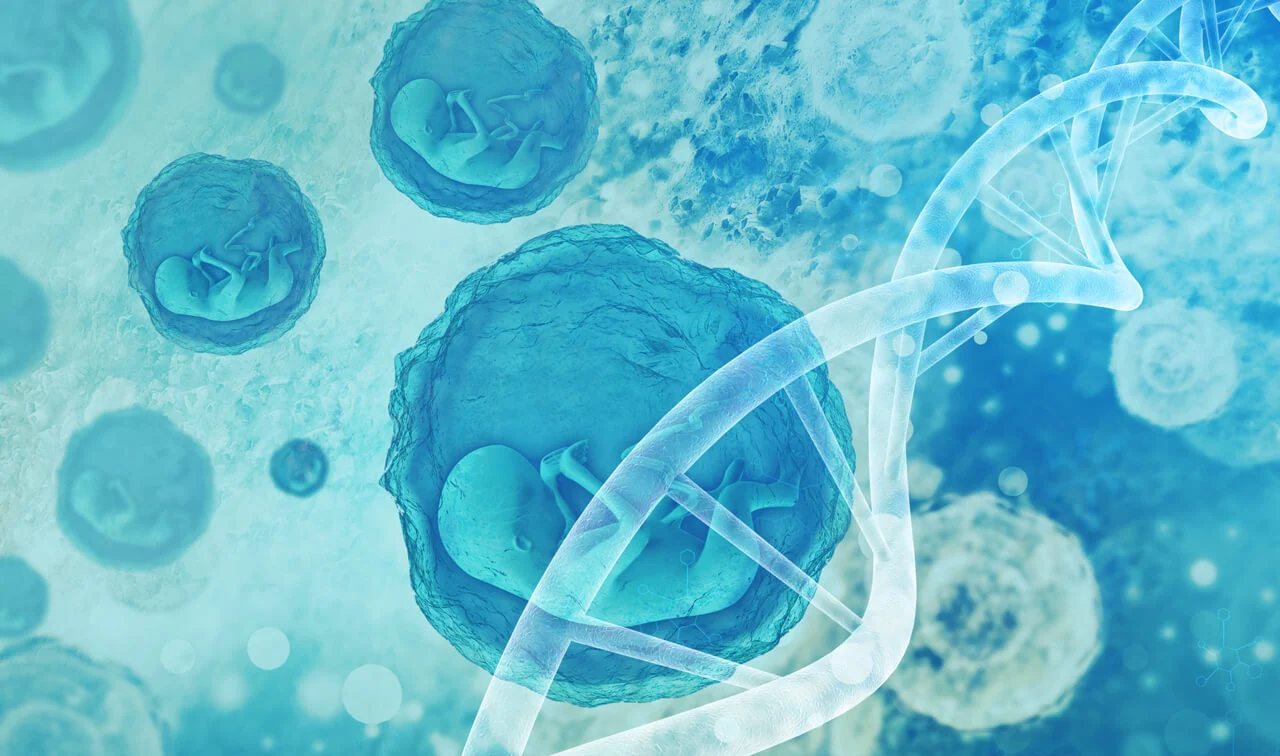
CRISPR Babies and the Scientist Behind Their Editing
At an international genome-editing summit in Hong Kong, MIT Technology Review reporter Antonio Regalado uncovered ...

CRISPR Patent Rights and Their Effect on the Industry
A decade ago, Jennifer Doudna of the University of California, Berkley and Emmanuelle Charpentier of ...

Could Artificial Intelligence Provide the Key to Life Saving Medicines?
Drug discovery is time consuming and expensive, requiring trial and error screening. This means that ...

A Novel Cocktail Drug Penetrates Heart Muscle and May Treat Nearly Half of All Patients with DMD
Duchenne muscular dystrophy (DMD) is a devastating disease that causes the body's muscle tissues to ...
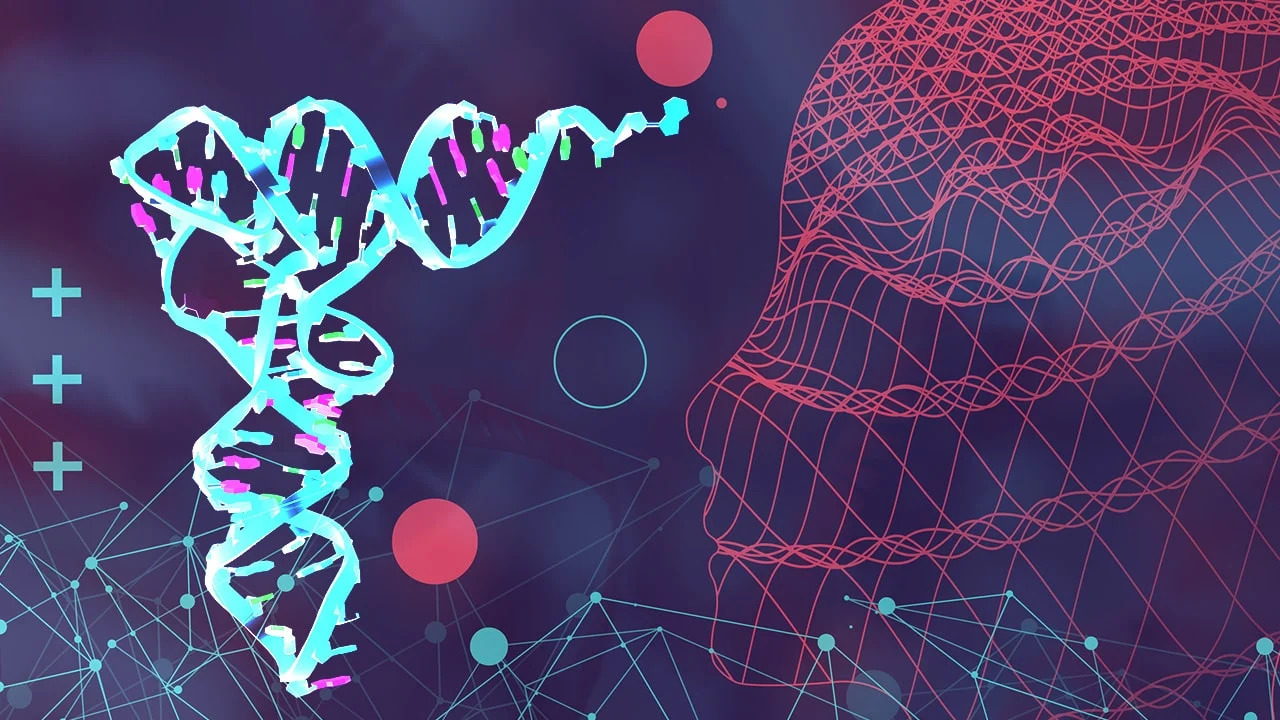
Could a Single Oligonucleotide Medication Treat Multiple Different Diseases?
Our relatively new field is swiftly growing, and another exciting novel therapeutic RNA modality is now gaining traction. tRNA is vital in protein synthesis and by engineering tRNA molecules...

